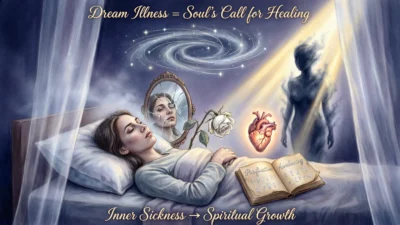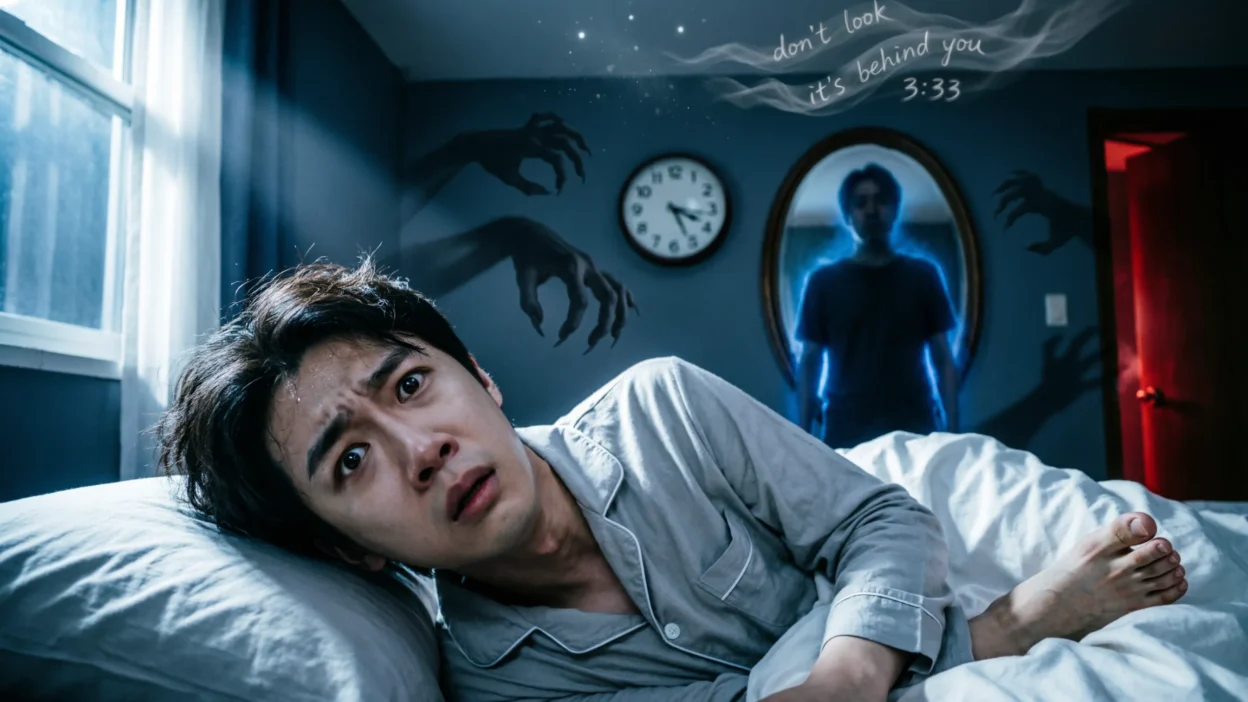
Waking up scared from a dream can linger long after your eyes open. Your heart races, your breath feels tight, and for a moment the fear feels real. Dreams like these often arrive without warning, pulling buried emotions to the surface and leaving us wondering: Why did this happen, and what does it mean? Far from being random, fearful dreams can be powerful messengers from the mind and spirit.
Overview: Emotions, Dreams, and Inner Awareness
Feeling scared in a dream is closely tied to emotional processing and inner awareness. Spiritually, such dreams may signal growth, transformation, or a call to face hidden truths. Psychologically, they reflect stress, anxiety, or unresolved memories. Scientifically, they emerge from how the brain processes emotion during sleep. Understanding all three layers helps you decode the message rather than fear it.
The Symbolism of Fear in Dreams
Fear in dreams is rarely about literal danger. Instead, it symbolizes inner conflict and emotional tension.
- Fear of being chased: Avoidance of responsibility or truth
- Fear in darkness: Uncertainty about the future
- Fear of falling: Loss of control or insecurity
- Fear without a clear threat: General anxiety or emotional overload
These symbols act like metaphors, reflecting what the waking mind may be ignoring.
Spiritual Meaning of Feeling Scared in a Dream
From a spiritual perspective, fearful dreams often appear during periods of growth.
- A sign of spiritual awakening, where old beliefs are breaking down
- A message to confront fears blocking your progress
- An invitation to trust divine timing and inner strength
Spiritually, fear is not punishment—it is preparation.
Psychological Interpretation: The Mind Speaking Loudly
Psychology views fear in dreams as the mind’s way of processing stress.
- Unresolved trauma may replay as fear
- Daily stress can transform into dream threats
- Suppressed emotions surface safely through dreams
Dream fear allows the brain to rehearse emotional responses without real-world consequences.
Freudian Interpretation: Hidden Desires and Repressed Fears
Sigmund Freud believed dreams reveal the unconscious mind.
- Fear may mask repressed desires
- The dream threat symbolizes internal conflict
- Fear acts as a defense against forbidden thoughts
In Freudian terms, fear protects the ego from uncomfortable truths.
Jungian Interpretation: Shadow and Transformation
Carl Jung saw dreams as tools for self-integration.
- Fear represents the shadow self—parts you avoid
- Scary dreams push you toward wholeness
- Facing fear equals psychological growth
According to Jung, what scares you most often holds your greatest potential.
Energy-Based and Metaphysical Views
In energy-based interpretations, fear in dreams relates to imbalance.
- Blocked root chakra (safety, survival)
- Emotional energy seeking release
- Heightened sensitivity during sleep
These dreams may encourage grounding, protection, and emotional cleansing.
Common Dream Scenarios Involving Fear
Different scenarios reveal different messages.
- Being chased: Running from change
- Paralysis or inability to scream: Feeling powerless
- Seeing monsters or shadows: Facing inner demons
- Sudden fear with awakening: Emotional shock or realization
Each scenario reflects how you respond to fear in waking life.
Gradual Realization vs. Sudden Reaction in Dreams
The way fear appears matters.
Gradual fear
- Builds slowly
- Linked to long-term stress
- Suggests awareness growing over time
Sudden fear
- Explosive and shocking
- Triggered by sudden emotional insight
- Often connected to recent events
Both styles reveal how your mind processes emotional information.
Causes and Triggers of Fearful Dreams
Several factors can trigger scary dreams:
- Anxiety or chronic stress
- Trauma or unresolved grief
- Major life changes
- Sleep deprivation
- Heavy media consumption before bed
The dream is not the problem—it’s the signal.
Scientific Explanation: REM Sleep and Emotional Processing
Science shows that fearful dreams are part of healthy brain function.
- Occur mostly during REM sleep
- Amygdala (emotion center) becomes active
- Brain processes fear memories safely
- Helps regulate emotions when awake
Dream fear is the brain’s emotional housekeeping.
Personal Growth Themes Hidden in Fear
Fearful dreams often point toward growth.
- Learning emotional resilience
- Building self-trust
- Letting go of outdated beliefs
- Facing uncomfortable truths
What scares you in dreams may be what frees you in life.
Reflection and Healing Tips
To work with these dreams instead of fearing them:
- Dream journaling: Write immediately after waking
- Mindfulness: Observe emotions without judgment
- Breathing exercises: Calm the nervous system
- Self-reflection: Ask what fear represents
- Grounding rituals: Meditation or prayer before sleep
Listening transforms fear into wisdom.
FAQ: Feeling Scared in a Dream
Is it normal to feel scared in a dream?
Yes. Fearful dreams are common and part of emotional processing.
Do scary dreams predict real danger?
No. They symbolize emotional or psychological themes, not literal events.
Can spiritual people have fear-based dreams?
Absolutely. Spiritual growth often includes confronting fear.
Why do I wake up scared but forget the dream?
The emotion can linger even when the imagery fades due to REM interruption.
How can I reduce scary dreams?
Reduce stress, practice relaxation before sleep, and maintain healthy routines.
Mindful Conclusion
Feeling scared in a dream is not a weakness—it’s a message. Whether viewed spiritually, psychologically, or scientifically, fear in dreams highlights areas asking for attention and growth. By understanding the symbolism, honoring the emotions, and reflecting mindfully, you can turn nighttime fear into daytime clarity. Dreams do not come to frighten you—they come to awaken you.