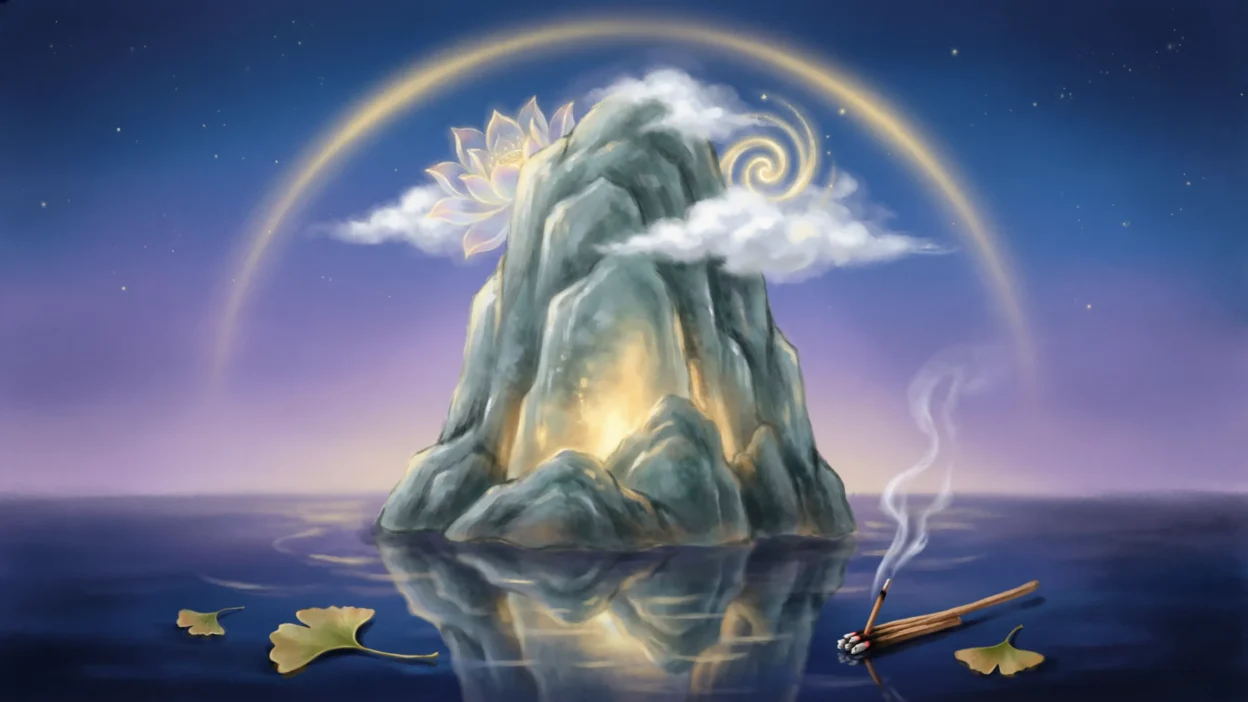
There is something deeply emotional about dreaming of mountains. They rise silently, powerful and distant, often leaving the dreamer with a feeling of awe, fear, or determination. You may wake up wondering why your mind created such a vast landscape while you slept. Was it a challenge? A message? Or simply a reflection of your inner state?
Dreams about mountains often appear during moments of transition, pressure, or personal questioning. They can symbolize both struggle and hope — the effort of climbing and the promise of reaching higher ground. Across cultures and psychological theories, mountains represent spiritual ascent, emotional challenges, and personal transformation.
This article explores the spiritual meaning of mountains in a dream, combining spiritual symbolism, psychological interpretation, and scientific understanding to help you interpret what your subconscious may be expressing.
Overview: The Connection Between Dreams, Emotions, and Spiritual Meaning
Dreams are not random images. They often reflect emotional experiences, unresolved thoughts, and subconscious processing. Modern research suggests dreams play a role in emotional regulation and memory consolidation, helping the brain organize experiences and feelings during sleep.
When mountains appear in dreams, they frequently mirror:
- Emotional burdens or ambitions
- Spiritual longing or self-discovery
- Life challenges requiring patience and growth
- A desire to rise above current circumstances
Spiritually, mountains symbolize elevation — moving closer to clarity, wisdom, or a higher perspective. Psychologically, they represent goals, obstacles, or the structure of the self.
Spiritual Symbolism of Mountains in Dreams
In spiritual traditions, mountains are sacred spaces. They are seen as places where heaven and earth meet, symbolizing connection with higher consciousness or divine guidance.
Common spiritual meanings include:
- Spiritual awakening – climbing toward enlightenment or awareness
- Inner strength – facing life’s challenges with resilience
- Divine communication – receiving insight or guidance
- Perspective and clarity – seeing life from a higher viewpoint
Standing at the top of a mountain in a dream often represents spiritual achievement or personal realization. Conversely, struggling to climb may indicate a spiritual lesson still unfolding.
Psychological Meaning: Mountains as Symbols of the Inner Self
From a psychological perspective, mountains reflect the terrain of the mind itself.
Freudian Interpretation
Sigmund Freud viewed dreams as expressions of hidden desires and unresolved impulses. He believed dream symbols could disguise unconscious wishes or conflicts emerging during sleep.
In this framework, mountains may represent:
- Ambition or ego-driven goals
- Repressed desires or tensions
- The struggle between instinct and control
Jungian Interpretation
Carl Jung offered a different perspective. He believed dreams compensate for imbalances in waking life and guide personal development.
In Jungian psychology, mountains often symbolize:
- The Self or higher identity
- The journey toward individuation
- Encountering inner wisdom or the shadow self
Climbing a mountain can represent personal evolution — becoming more aligned with one’s authentic nature.
Energy-Based and Spiritual Interpretations
Energy-based traditions interpret mountains as symbols of rising energy or consciousness. The upward movement reflects growth through effort.
You may dream of mountains when:
- Your life direction is changing
- You are searching for meaning or purpose
- Emotional healing is underway
- You are moving toward a new stage of awareness
The mountain becomes a metaphor for the energy required to grow beyond old limitations.
Personal Growth Themes in Mountain Dreams
Many mountain dreams revolve around growth and transformation.
Common themes include:
- Challenge and perseverance – climbing despite difficulty
- Achievement and fulfillment – reaching the summit
- Fear of failure – slipping or falling
- Self-discovery – exploring unknown paths
Such dreams often appear when you are working toward long-term goals or facing life decisions that demand patience.
Different Mountain Dream Scenarios and Their Meanings
Climbing a Mountain
Symbolizes effort, ambition, and progress toward a meaningful goal.
Standing at the Peak
Represents clarity, success, or spiritual insight gained through experience.
Falling from a Mountain
May reflect fear of failure or loss of confidence during a challenging phase.
Seeing a Distant Mountain
Often indicates future aspirations or goals not yet pursued.
Lost or Wandering in Mountains
Suggests uncertainty or searching for direction in waking life.
Dream meanings vary depending on emotions felt during the dream — fear, peace, excitement, or exhaustion all shape interpretation.
Gradual Realization vs. Sudden Reaction in Mountain Dreams
An important distinction in dream interpretation is how understanding unfolds.
Gradual Realization
Some dreams reveal meaning slowly. You may feel calm while climbing or simply observing the mountain. This often reflects steady personal growth, where change happens consciously over time.
Sudden Reaction
Dreams involving falling, storms, or collapsing mountains can trigger sudden fear. These may represent emotional overload or abrupt life changes demanding immediate attention.
The difference lies in how the mind processes stress — slowly integrating lessons or reacting to unresolved tension.
Scientific Perspective: Why We Dream About Mountains
From a scientific viewpoint, dreams occur primarily during REM (Rapid Eye Movement) sleep, when brain activity increases and emotional centers become highly active.
Research suggests dreams help:
- Process emotional experiences
- Integrate memories
- Regulate mood and stress
- Simulate challenges safely
Dream imagery often draws from real-life experiences and emotional concerns, supporting the idea that dreams reflect waking life themes.
A mountain, therefore, may simply be the brain’s symbolic way of representing difficulty, achievement, or emotional elevation.
Causes and Triggers of Mountain Dreams
You may dream of mountains when:
- Facing major responsibilities or goals
- Experiencing stress or pressure
- Seeking personal meaning or direction
- Going through life transitions
- Feeling the need for independence or growth
Even exposure to mountain imagery, travel memories, or stories can influence dream content.
Reflection Tips: Understanding Your Mountain Dream
Instead of searching for a fixed meaning, reflection helps uncover personal significance.
Helpful practices include:
Journaling
- Write down emotions, colors, and events from the dream.
- Note connections to current life challenges.
Mindfulness
- Observe emotional reactions without judgment.
- Notice recurring symbols or patterns.
Self-questioning
- What am I trying to overcome?
- What feels like a “mountain” in my waking life?
Over time, patterns emerge that reveal deeper meaning.
Conclusion: The Mountain as a Mirror of the Inner Journey
Dreaming of mountains is rarely accidental. Whether viewed spiritually, psychologically, or scientifically, mountains symbolize movement — upward, inward, or forward. They remind us that growth often requires effort, patience, and courage.
Sometimes the dream encourages perseverance. Other times it invites reflection or rest before continuing the climb. Ultimately, the mountain in your dream reflects your relationship with challenge, purpose, and transformation.
When approached mindfully, such dreams become less mysterious and more meaningful — guiding you toward deeper self-awareness and emotional balance.
FAQ: Spiritual Meaning of Mountains in a Dream
What does it mean spiritually to dream about mountains?
Spiritually, mountains often symbolize growth, enlightenment, and connection to higher wisdom. They may indicate a journey toward greater awareness or purpose.
Is dreaming of climbing a mountain a good sign?
Yes, it usually represents progress, determination, and personal development, especially if the climb feels purposeful.
Why do mountain dreams feel so emotional?
Mountains represent challenges and aspirations, which are strongly tied to emotions and personal identity.
What does falling from a mountain in a dream mean?
It may reflect fear of failure, loss of control, or anxiety about achieving goals.
Are mountain dreams psychological or spiritual?
They can be both. Psychological interpretations focus on emotions and goals, while spiritual interpretations emphasize growth and consciousness.
Do recurring mountain dreams mean something important?
Recurring dreams often signal unresolved emotions or ongoing personal challenges that need attention.