The term xfree has been popping up everywhere lately, leaving many users curious, confused, and eager to know what it actually means. At first glance, xfree sounds like a promise of free access, no payments, and unlimited use—which naturally attracts attention in a world filled with subscriptions and paywalls. But what exactly is xfree, and why are so many people searching for it?
In reality, xfree is a broad and often misunderstood term. For some, it refers to a specific website or platform; for others, it represents a shortcut to free tools, content, or services that normally cost money. This mix of expectations makes xfree both popular and risky. While the idea of getting something for free is appealing, it also raises important questions about legality, safety, and reliability.
In this guide, we’ll break down what xfree really means, why people are drawn to it, the potential risks involved, and the safe, legal alternatives you should consider before making any decisions.
What Is xfree?
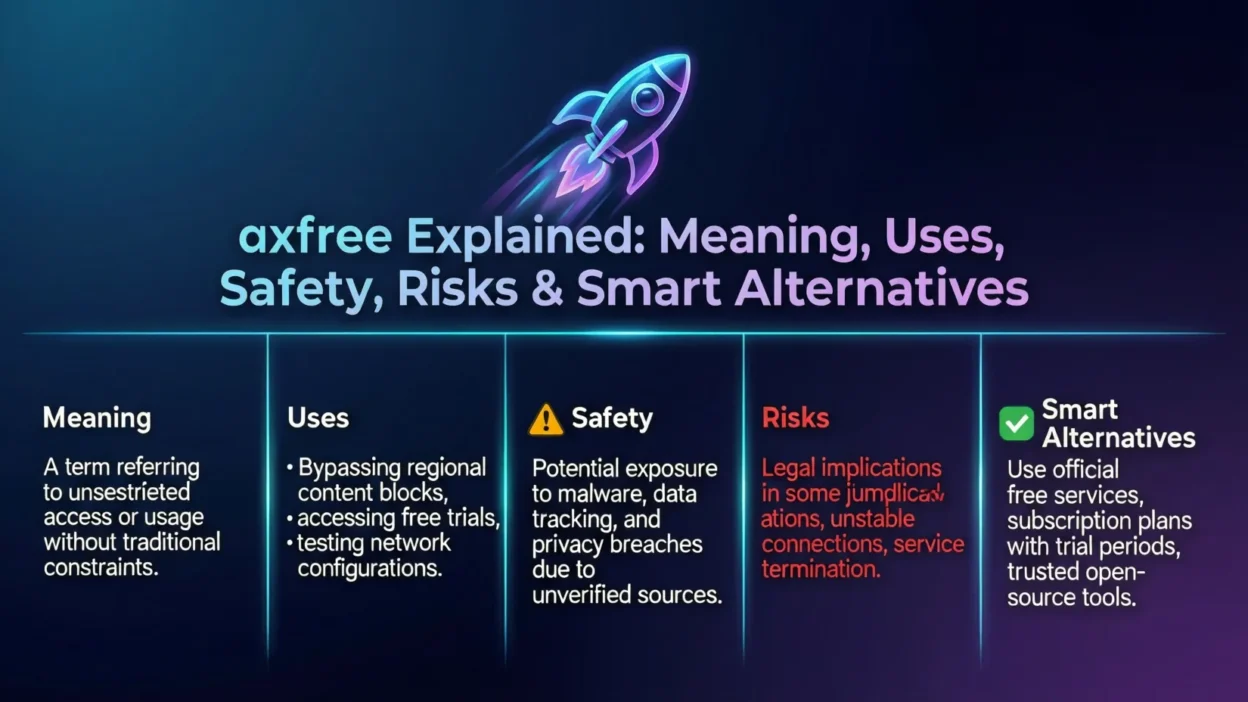
xfree is not a single, clearly defined product or service—instead, it’s a generic and highly ambiguous term used across the internet to describe free access to something that is usually paid. Depending on where you encounter it, xfree can refer to a website name, a platform label, a keyword used in forums, or even a marketing hook designed to attract users looking for cost-free solutions.
In most cases, people use the word xfree as shorthand for “no payment required” or “unlocked for free.” This is why it frequently appears alongside searches related to software tools, digital content, online services, or premium features. However, because there is no official or standardized definition, the meaning of xfree changes based on context—and that’s where confusion begins.
Some websites use xfree as a brand-style name, while others use it loosely to describe modified, mirrored, or unofficial versions of paid platforms. In certain situations, xfree may simply point to a freemium model, where basic features are available for free and advanced options require payment. In other cases, it may be associated with unverified or risky sources, which is why users often question its safety and legality.
Why People Search for xfree
The growing interest in xfree is largely driven by one simple motivation: the desire to access useful tools, content, or services without paying. As subscription models and paywalls become more common online, many users actively look for alternatives that promise similar benefits at no cost. The term xfree taps directly into this mindset, making it a powerful and frequently searched keyword.
For many users, searching for xfree is a cost-saving strategy. Students, freelancers, and casual users often feel priced out of premium platforms and hope that xfree offers a way around those barriers. Others search for it out of convenience, wanting instant access without account creation, credit cards, or long-term commitments.
Another major reason behind xfree searches is curiosity. Users may see the term mentioned on social media, forums, or comment sections and want to verify whether it’s real, safe, or worth trying. This group tends to look for reviews, explanations, and comparisons before taking action.
Finally, a growing segment of users searches for xfree with safety concerns in mind. They want to know whether it’s legal, whether it could harm their device, or whether personal data might be at risk. Understanding these different intents helps explain why xfree-related searches are so broad—and why careful evaluation is essential before using anything labeled as xfree.
Types of xfree Searches (Intent Clusters)
Not everyone searching for xfree is looking for the same thing. Because the term is vague, search intent varies widely, and understanding these intent clusters helps explain the different expectations users have when they land on an xfree-related page.
Navigational Intent
Some users are trying to reach a specific website or platform they already know. They may have seen “xfree” mentioned elsewhere and are using search engines to locate the official site, homepage, or login page. These users expect quick confirmation and clear direction.
Transactional (Free-Seeking) Intent
This is the largest group. These users are actively looking for free access—downloads, unlocked features, or premium content without payment. They tend to scan pages quickly and leave if they don’t immediately see what they want.
Informational Intent
Users in this category want clarity. They search for explanations like what xfree is, how it works, or whether it’s worth using. They’re more likely to read detailed guides, reviews, and comparisons before making a decision.
Safety & Risk Intent
A growing number of users search with caution. They want to know if xfree is safe, legal, or trustworthy, and whether it could expose them to malware, scams, or privacy issues. These users value transparency and warnings over promises.
Recognizing these intent types is crucial, because a trustworthy xfree guide should address all of them, not just the promise of “free.”
How xfree Typically Works
Because xfree is not a single platform, there is no one universal way it operates. Instead, xfree-style offerings usually follow a few common patterns that explain how “free access” is made possible. Understanding these models helps users spot potential risks before they get involved.
In some cases, xfree is linked to a freemium model. This means basic features are genuinely free, while advanced tools, higher limits, or premium content require payment. These versions are usually legal and safe, but the term xfree may be used loosely to attract more traffic.
In other situations, xfree refers to mirrored or modified versions of paid services. These sites often promise full access without cost, but they may rely on ads, data collection, or unofficial methods to operate. This is where legal and security concerns begin to appear.
There are also cases where xfree works as a marketing or redirect tactic. Users click expecting free access but are redirected to surveys, affiliate offers, or unrelated pages designed to generate revenue.
The key takeaway is simple: xfree often shifts the “cost” away from money and toward data, attention, or risk. Knowing this helps users make smarter, safer decisions before trusting any platform labeled as xfree.
Is xfree Legal? (Important Legal Overview)
The legality of xfree depends entirely on what is being offered and how it is delivered. Because xfree is a broad term rather than an official service, it can fall anywhere on the spectrum from completely legal to clearly unlawful.
When xfree refers to freemium tools, open-source software, or officially supported free versions, it is generally legal. These platforms are designed by their creators to offer limited functionality at no cost, often as a way to attract long-term users.
Problems arise when xfree is used to describe unauthorized access to paid content or services. If a site distributes copyrighted material, bypasses paywalls, or provides premium features without the owner’s permission, it likely violates copyright or licensing laws. In many countries, both hosting and knowingly using such services can carry legal consequences.
Another gray area involves mirrors, scrapers, or modified versions of legitimate platforms. Even if they appear harmless, they may still breach terms of service or intellectual property rights.
Because laws vary by country, what is tolerated in one region may be illegal in another. As a general rule, if xfree promises full paid access for free, it’s wise to assume there are legal risks involved and proceed with caution—or avoid it altogether.
Is xfree Safe to Use? (Security Analysis)
Safety is one of the biggest concerns when it comes to xfree. Because the term can represent unofficial or unauthorized platforms, users are often exposed to risks that go beyond legality. Understanding these risks can help you make informed choices.
Malware and Viruses
Some xfree websites or downloads may contain malware, spyware, or viruses. Clicking on links or downloading files from unverified sources can compromise your device, steal personal data, or even lock you out with ransomware.
Privacy Concerns
Many xfree-type platforms rely on data collection and tracking to generate revenue. Even if they don’t ask for payment, your browsing habits, personal information, or login credentials may be captured without consent.
Fake or Phishing Sites
Because xfree is a highly searched term, scammers often set up mirror or fake websites. These sites may look legitimate but are designed to steal information or redirect you to malicious downloads.
Unreliable Access
Even when xfree works as advertised, it may be unstable or temporary. Services can disappear without warning, leaving you without support or lost data.
Key takeaway: while the idea of free access is appealing, xfree platforms often trade security and privacy for convenience. If you decide to explore xfree, always verify the source, use security tools like antivirus software, and never share sensitive information.
Pros and Cons of xfree (Balanced Analysis)
Before deciding whether to use anything labeled xfree, it’s important to weigh both the benefits and the potential drawbacks. A balanced perspective helps users make safer, smarter choices.
✅ Pros
- No Upfront Cost – Users can try tools, services, or content without paying a dime.
- Easy Access – Many xfree platforms are quick to use, often requiring minimal setup.
- Low Barrier to Entry – Perfect for students, casual users, or anyone testing new tools.
- Opportunity to Explore Alternatives – Gives a sense of what paid platforms offer before committing financially.
❌ Cons
- Security Risks – Malware, spyware, and phishing are common on unofficial xfree platforms.
- Legal Uncertainty – Some versions may violate copyright laws or terms of service.
- Poor Reliability – Services may disappear, be unstable, or provide incomplete features.
- Ethical Concerns – Using unauthorized access can harm creators or companies.
- Hidden Costs – Even if free, your data or privacy may be exploited.
Key takeaway: while the idea of free access is tempting, the risks often outweigh the benefits unless you stick to verified, legal alternatives.
Common Myths & Misconceptions About xfree
Many people are drawn to xfree based on assumptions that aren’t always accurate. Understanding these misconceptions helps users avoid risks and make informed decisions.
Myth 1: “Free Means Legal”
Just because something is labeled xfree doesn’t mean it’s legally allowed. Unauthorized copies of software, content, or services can violate copyright and licensing laws.
Myth 2: “Everyone Uses It”
Popularity doesn’t guarantee safety or legitimacy. Just because others are using xfree platforms doesn’t make them trustworthy or risk-free.
Myth 3: “A VPN Makes It Safe”
While VPNs can hide your IP address, they don’t protect you from malware, phishing, or unsafe downloads that are often found on xfree sites.
Myth 4: “No Payment = No Risk”
Even if you aren’t paying money, there’s often a hidden cost—like exposing your personal data, login credentials, or device security.
Myth 5: “It’s Always Permanent”
Many xfree platforms are temporary or unreliable. Free services may disappear suddenly, leaving you without access or lost content.
Key takeaway: approaching xfree with skepticism and prioritizing legal, verified alternatives is essential for safety and peace of mind.
Best Safe & Legal Alternatives to xfree
Even though xfree promises “free access,” there are safer, legal ways to get similar benefits without risking malware, scams, or legal trouble. Focusing on verified alternatives ensures you can enjoy tools, content, or services responsibly.
1️⃣ Free & Freemium Tools
Many platforms offer legitimate freemium versions that provide basic functionality for free:
- Canva Free – Graphic design tools with essential features
- Spotify Free – Stream music with ads
- Trello Free – Project management with limited boards
These options give you a real taste of premium features without breaking the law or risking security.
2️⃣ Trial-Based Alternatives
Some services offer free trials that temporarily unlock all features:
- Adobe Creative Cloud – 7-day trial for design apps
- Notion – Free trial with full workspace features
- Premium streaming services – Many platforms offer 30-day trial periods
Maximizing trial periods allows you to explore premium features safely.
3️⃣ Discounted & Budget Options
For users willing to pay a small amount:
- Student plans – Spotify, Apple Music, Adobe offer heavily discounted subscriptions
- Seasonal deals – Black Friday or Cyber Monday often has significant discounts
- Lifetime deals – Some SaaS platforms sell one-time licenses for affordable prices
These alternatives provide full functionality safely, without the risks associated with unofficial xfree platforms.